Items

Writing Women’s History 2020 Candy Brown Holocaust and Human Rights Educators Conference
Penny Colman begins by establishing a personal connection with her audience through her geographic background in New Jersey and the Western United States, as well as her visits to historical sites like the former Women's Museum in Dallas. She explains her primary motivation for researching and writing about women: despite studying history through graduate school, she was rarely taught about the contributions, achievements, or everyday lives of women, whether famous or ordinary. To trace the evolution of women's historical documentation, the speaker highlights various early primary sources and foundational texts. These range from personal letters and embroidered samplers to major written works, such as Lydia Maria Child's The History of the Condition of Women in Various Ages and Nations and The Narrative of Sojourner Truth (1850). The latter documents Truth's 1826 escape from slavery, her landmark 1828 legal win to regain her son, and her legacy as a prominent abolitionist and women's rights advocate. Additional early sources include Sarah Josepha Hale's Woman's Record (1855), Frank Moore's Women of the War (1867), and reflections from Louisa May Alcott on gender and identity. The speaker also examines the work of Alice Morse Earle, a prolific late-19th-century historian who documented colonial American domestic life, social customs, and the broader economic impacts of trade and slavery. Finally, the talk addresses the shift from traditional academic history, which historically focused almost exclusively on male leaders, politics, and wars, to modern women's history. Colman describes how the women's rights movement of the 1960s and 1970s spurred the creation of dedicated archives, such as the Schlesinger Library, and inspired pioneering historians to uncover previously marginalized narratives. Groundbreaking works on women's and Black women's history, such as those by Paula J. Giddings and Darlene Clark Hine, helped reshape the field. The presentation concludes with a practical framework for writing women's history, emphasizing the need to critically assess sources, re-frame traditional historical timelines, incorporate intersectionality, and maintain a thoughtful balance between acknowledging systemic oppression and highlighting female agency.
The Women of Englewood: A Retrospective Account
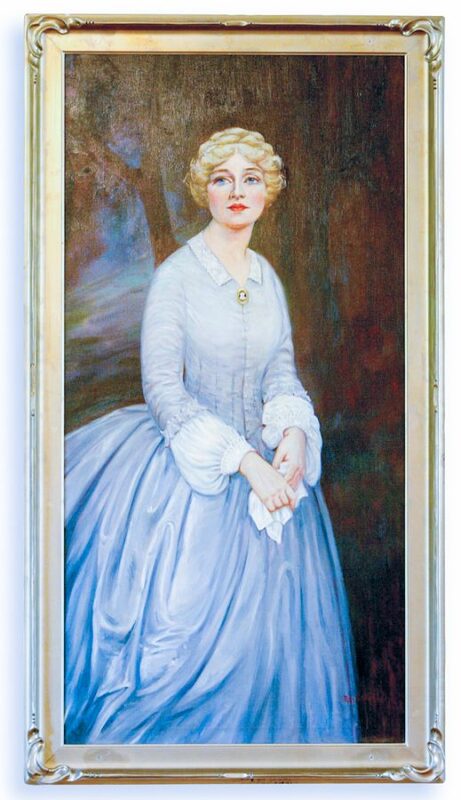
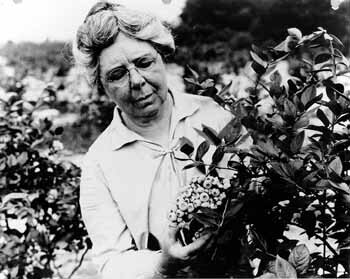
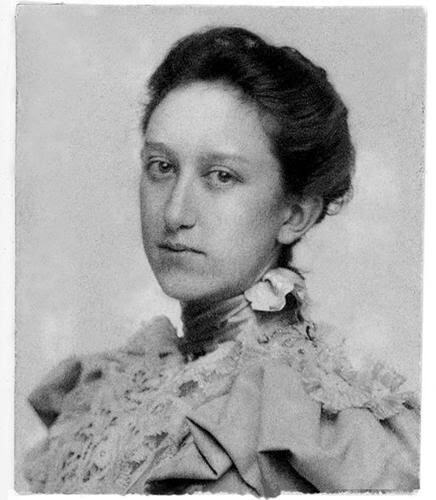
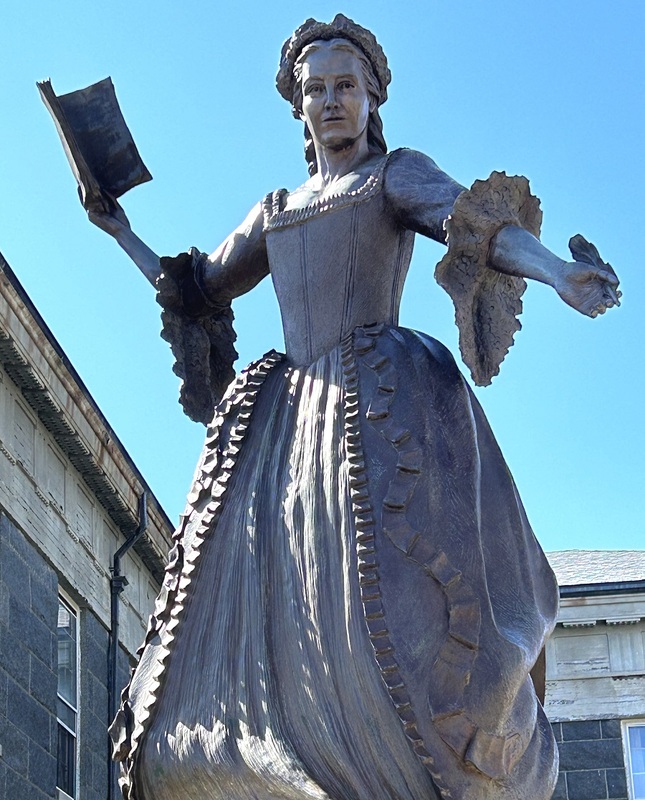
Penny Colman shares notes from a lecture celebrating pivotal women in national, state, and local history. She begins by reflecting on her 20-year journey of taking road trips across the United States to document historic sites and monuments dedicated to women. Through these travels, she highlights iconic national figures such as Susan B. Anthony, Elizabeth Cady Stanton, Rosie the Riveter, Barbara Jordan, Sacajawea, Dorothea Dix, Helen Keller, and Mother Jones. Shifting to a regional perspective, Colman explores the significant contributions of New Jersey women across various eras. Her overview spans Civil War nurse Arabella Barlow, influential Congresswoman Millicent Fenwick, First Lady Martha Washington, and Revolutionary War wax sculptor and spy Patience Wright. Finally, Colman focuses on local Englewood history through interactive identification and matching games. She highlights notable sites and figures like the Lillian Booth Actors' Home, the Woman's Club, Flat Rock Brook, and prominent residents such as benefactor and humanitarian Elizabeth Cutter Morrow, author Katherine Floyd Dana, Elizabeth Vermilye, Sarah Goldstein, and Dismus. A central focus is given to Judge Sylvia Pressler and her Englewood home; Colman details Pressler’s landmark 1973 ruling as Hearing Examiner for the NJ Department of Civil Rights, which forced Little League Baseball to change its charter to allow girls to compete nationally. The outline also notes Pressler's other major legal contributions, including her 1993 ruling upholding same-sex adoption rights and her 2004 moratorium on the death penalty in New Jersey.
Elizabeth Cady Stanton & Historical Landmarks: A Virtual Road Trip
Penny Colman’s presentation offers a detailed historical journey through the life, locations, and enduring legacy of 19th-century feminist reformer Elizabeth Cady Stanton (ECS) and the broader women's suffrage movement. The presentation traces Stanton's life chronologically via historical markers, landmarks, and monuments, starting in her birthplace of Johnstown, New York—highlighting sites such as her childhood home, her father's law office, local historical society collections, and the Elizabeth Cady Stanton Hometown Association. It covers key milestones in her early life and activism, including her time at the Troy Female Seminary, her abolitionist ties in Peterboro, her 1847 move to Seneca Falls, the landmark 1848 Seneca Falls Convention, and her lifelong partnership with Susan B. Anthony. The presentation further details Stanton's expanding political footprint as she relocated to New York City and Tenafly, New Jersey, traveled the national lecture circuit, organized campaigns, attempted to vote in 1880, and co-authored the multi-volume History of Woman Suffrage. Notably, Colman highlights the significant influence of Haudenosaunee (Iroquois) women on Stanton and other suffragists, noting how Native women's authority, property rights, and social autonomy inspired the American women's rights movement. Additionally, the presentation reflects on contemporary evaluations of Stanton's complex legacy, incorporating a statement from the Elizabeth Cady Stanton Hometown Association that addresses her racist post-15th Amendment writings alongside her roots in abolitionism. Finally, Colman examines Stanton's later years, her presidency of the International Council of Women, her 1902 passing, and her ongoing commemoration through statues, national monuments, and U.S. Navy vessels named in honor of trailblazing women.