-
Title
-
Walker, Maggie (1864-1934)
-
birthday
-
1864-07-15
-
Birthplace
-
Richmond, VA
-
Death Date
-
1934-12-15
-
Occupation
-
Business owner
-
Teacher
-
Civil rights activist
-
Disability activist
-
Biographical Text
-
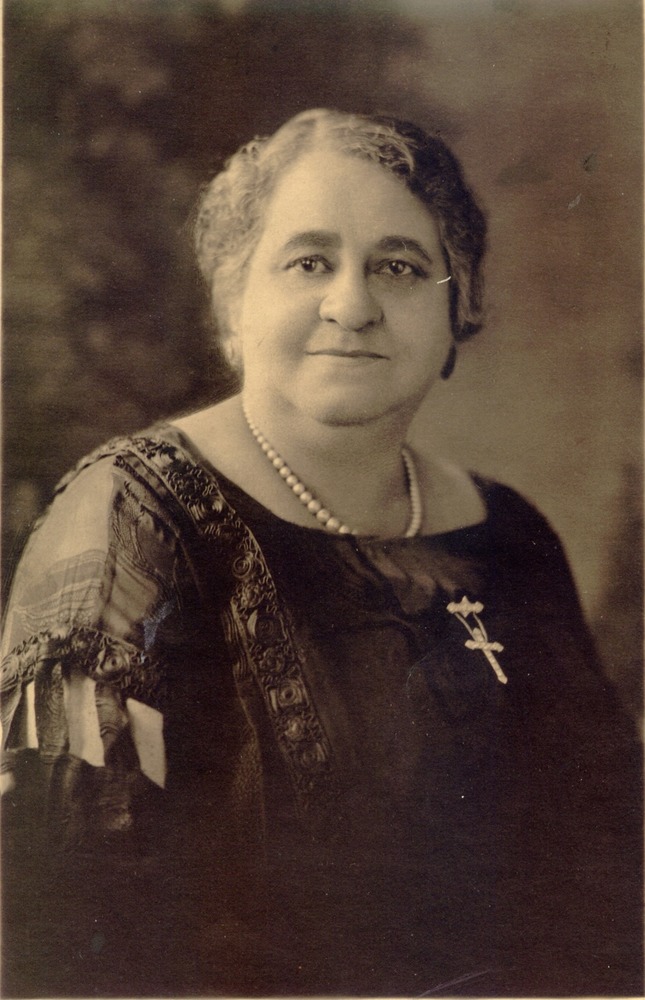
Maggie Walker was a business owner, teacher, and activist. Walker was born Maggie Lena Draper to Elizabeth Draper and Eccles Cuthbert. Walker graduated from the Richmond Colored Normal School, a segregated part of the Richmond public school system in 1883. She was one of ten students in her graduating class. Walker was involved in activism from a young age, joining the Independent Order of St. Luke at fourteen. The organization was dedicated to providing economic and social support to the black community of Richmond in a post-slavery time. After graduating high school, Walker worked as a Valley School teacher and part-time insurance agent for the Woman's Union, another organization in support of the local black community. She took accounting classes at night during this time. In 1886, Walker left her teaching job and dove fully into work for the Order of St. Luke. She contributed to many different sectors of the Order, and helped restore its financial stability after previous mismanagement. Within her first year of leadership the number of members had doubled. In 1901, Walker proposed the Order begin a Newspaper to publicize their work. The following year, the first issue of The St. Luke Herald was printed. She served as the editor for over thirty years. In 1903, Walker started the St. Luke Penny Savings Bank, to help local black individuals pay off their homes and manage their savings. She served as the bank's first president, making her the first African-American woman to charter a bank in the US. By 1920 the bank had helped around 650 black families fully pay off their homes. By 1929, The St. Luke Herald was Richmond's most popular black weekly newspaper. The paper hit a plateau following the Great Depression, and from there it became a monthly release entitled the St. Luke Fraternal Bulletin. In 1907, Walker damaged nerves and tendons in her knees in a fall on her front steps. This led to her utilizing a caned wheelchair, and spending the majority of her final years at home. Despite this, Walker participated in a great deal of volunteer work over her career related to education, racial equality, and women's suffrage. She established a Community House in Richmond where she ensured a visiting nurse would always be, and worked with the National League of Republican Colored Women, handling their funds. She held the leadership position of the Order up until her passing.
Walker married Armstead Walker Jr. on September 14, 1886. Together they had three sons, Russell Eccles Talmadge, Armstead Mitchell Walker, and Melvin DeWitt Walker. They also adopted one daughter, Polly Anderson. On June 20, 1915, Russell mistakenly shot his father thinking he was a burglar. Armstead Walker Jr. passed from the incident, and left Walker to manage their home and assets. Her work and knowledge in finances her the family comfortably afloat. On December 15, 1934 Walker passed of diabetes gangrene.
-
Contributor
-
O'Neill, Iris