-
Title
-
Tubman, Harriet (1822-1913)
-
birthday
-
1822
-
Birthplace
-
Bucktown, MD
-
Death Date
-
1913-03-10
-
Occupation
-
Civil rights activist
-
Nurse
-
Spy
-
Woman suffrage activist
-
Biographical Text
-
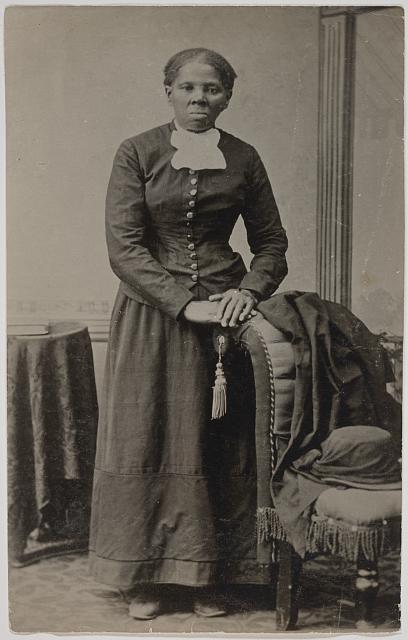
Harriet Tubman was a civil rights activist who rescued seventy enslaved individuals over thirteen trips. She later became a nurse, and spy for the Union Army, as well as a woman suffrage activist. Tubman was born Araminta Ross, to enslaved parents in Dorchester County, MD. She cared for her siblings from a young age, and began working as a nursemaid at six years old. Tubman experienced brutal treatment throughout her childhood, receiving beatings and injuries from her slave masters. One particular head injury affected her up until her death. In 1849, following the death of Tubman's slave owner, Edward Brodess, the likelihood of her being sold increased. Not waiting for her fate to be dictated, on September 17, 1849, Tubman and her brothers escaped from slavery for the first time. Her brothers had second thoughts upon their exit, making the decision to return, and forcing Tubman to join them. About a month later, Tubman escaped again independently. She utilized the Underground Railroad for her travels. Upon her arrival in Philadelphia, Tubman worked a number of jobs to make money. In 1850, Tubman began assisting a series of individuals escape slavery. She continued to do so for the next decade, rescuing about seventy enslaved individuals in thirteen trips. She was known to travel at night, utilizing her knowledge and connections on the Underground Railroad. In 1859, Tubman joined forces with abolitionist John Brown in his plan for a raid on Harpers Ferry, VA. Tubman was not present for the eventual raid, which ended up failing. When the Civil War began in 1861, Tubman began working as a nurse for soldiers in Port Royal. Later she worked as a scout and spy, playing a key role in the raid on Combahee Ferry, liberating more than 700 enslaved individuals. Tubman is credited as the first woman to lead US troops in an armed assault from this event. Tubman spent her later years promoting women's suffrage, traveling around to speak out for women's voting rights. She continued showing her efforts in activism up until her body reached its ultimate level of frailty.
Tubman married John Tubman, a free black man in 1844. She changed her name from Araminta to Harriet, her mother's name, following their union. Tubman passed of pneumonia on March 10, 1913. She was buried at Fort Hill Cemetery.
-
Contributor
-
O'Neill, Iris